
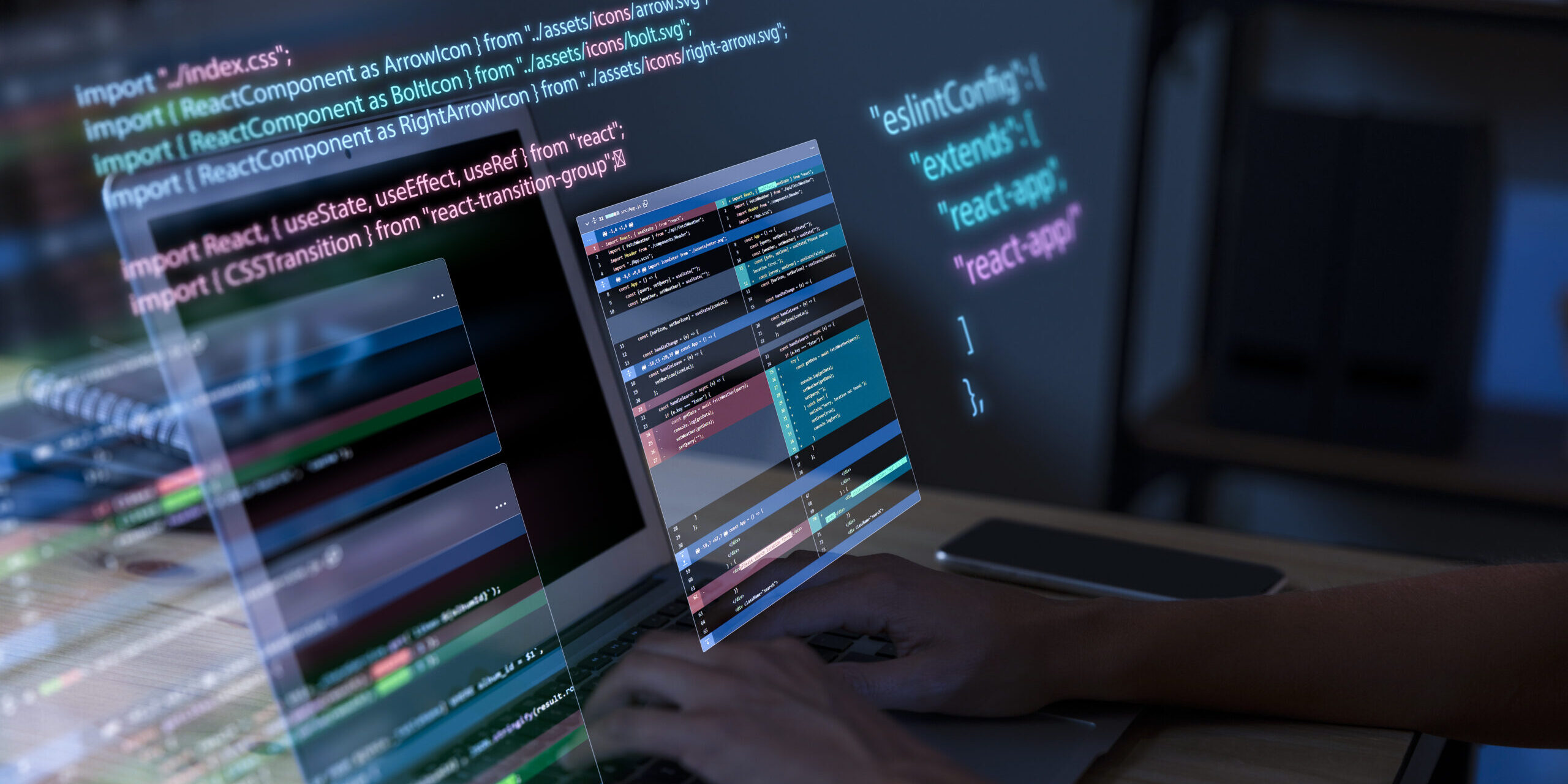
Software engineering is the systematic application of engineering principles to the design, development, testing, deployment, and maintenance of software systems. It is a discipline that integrates computer science, project management, mathematics, and human centered design to create reliable, efficient, scalable, and maintainable software solutions. By 2025, software engineering has evolved into a sophisticated field that addresses increasingly complex systems across industries including finance, healthcare, transportation, education, entertainment, and government services. Modern software engineering emphasizes not only functionality and performance but also quality, security, user experience, ethical compliance, and adaptability to rapidly changing technological environments.
The scope of software engineering extends beyond writing code. It involves requirements analysis, system architecture design, interface design, algorithm optimization, testing, documentation, deployment, and maintenance. Engineers must balance technical excellence with economic feasibility, organizational goals, and user expectations. As software systems grow in complexity and scale, engineers rely on structured methodologies, automation tools, collaboration frameworks, and rigorous standards to manage risks, improve efficiency, and ensure long term sustainability.
Software engineering is also a collaborative discipline. Projects involve interdisciplinary teams of developers, testers, designers, analysts, managers, and stakeholders. Communication, documentation, version control, and knowledge sharing are critical to maintaining alignment and achieving project objectives. The field continues to evolve in response to emerging technologies such as artificial intelligence, cloud computing, distributed systems, edge computing, blockchain, and quantum computing, which expand possibilities while introducing new challenges in software design, testing, and maintenance.
Core Principles of Software Engineering
Successful software engineering requires adherence to core principles that guide development processes, architectural decisions, quality assurance, and user satisfaction.
1. Requirements Analysis
Requirements analysis is the process of identifying, documenting, and validating the functional and non functional needs of users and stakeholders. Functional requirements specify what the system should do, including tasks, features, and behavior. Non functional requirements define constraints such as performance, reliability, scalability, security, and usability. Accurate requirements analysis ensures alignment between stakeholder expectations and software implementation. Techniques include interviews, surveys, observation, use case modeling, and formal specification. Continuous validation throughout the project lifecycle prevents miscommunication and costly rework.
2. System Architecture and Design
System architecture defines the overall structure of software, including components, modules, interfaces, and data flow. Well designed architecture ensures maintainability, scalability, reliability, and performance. Design principles such as modularity, separation of concerns, abstraction, encapsulation, and layering guide engineers in creating coherent systems. Architecture patterns include client server, microservices, event driven, service oriented, and layered architectures. Proper architecture planning enables teams to manage complexity, integrate third party systems, and adapt to evolving requirements.
3. Software Development Life Cycle
The software development life cycle encompasses the entire process from initial concept to final deployment and maintenance. Models such as waterfall, iterative, agile, spiral, and DevOps based approaches provide structured methodologies to guide development. Agile and DevOps practices emphasize flexibility, rapid iteration, collaboration, automation, continuous integration, continuous delivery, and feedback loops. Adherence to a structured life cycle improves efficiency, quality, predictability, and risk management.
4. Quality Assurance and Testing
Quality assurance ensures that software meets functional and non functional requirements while maintaining high reliability, security, and performance standards. Testing includes unit testing, integration testing, system testing, acceptance testing, performance testing, and security testing. Automated testing frameworks, continuous testing pipelines, and code coverage analysis enhance efficiency and consistency. Quality assurance practices also include code reviews, static analysis, and adherence to coding standards to prevent defects and ensure maintainability.
5. Maintenance and Evolution
Software maintenance involves correcting defects, optimizing performance, adapting to new requirements, and extending functionality. Maintenance can account for a substantial portion of software costs over a system's lifetime. Engineers employ version control, configuration management, modular design, and documentation to facilitate ongoing evolution. Proactive maintenance strategies include monitoring, predictive analytics, and automated updates to reduce downtime and improve user satisfaction.
6. Security and Ethical Considerations
Software engineers must prioritize security to protect data, systems, and users from cyber threats such as unauthorized access, malware, data breaches, and ransomware attacks. Secure coding practices, encryption, authentication, authorization, and auditing are essential components. Ethical considerations include user privacy, fairness, transparency, accessibility, accountability, and compliance with legal and industry standards. Engineers must balance innovation with responsible development practices that respect human values and societal norms.
Software Engineering Methodologies
Various methodologies provide structured approaches for planning, executing, and managing software development projects.
1. Waterfall Model
The waterfall model is a linear sequential approach in which each phase of development is completed before the next begins. Phases include requirements gathering, system design, implementation, testing, deployment, and maintenance. This model emphasizes thorough documentation and upfront planning but may lack flexibility in adapting to changing requirements.
2. Agile Methodology
Agile methodologies focus on iterative development, collaboration, and responsiveness to change. Teams work in short cycles called sprints to deliver incremental improvements. Agile practices include daily stand up meetings, sprint planning, backlog management, and retrospective reviews. Agile fosters continuous feedback, rapid adaptation, and higher stakeholder engagement, enabling faster delivery of functional software.
3. DevOps and Continuous Delivery
DevOps integrates software development and operations to streamline deployment, monitoring, and maintenance. Continuous integration and continuous delivery pipelines automate building, testing, and deploying code. DevOps emphasizes collaboration, automation, monitoring, and feedback, improving reliability, speed, and quality. Cloud infrastructure, containerization, and orchestration tools support scalable and resilient software deployment.
4. Spiral and Iterative Models
Spiral and iterative models focus on repeated cycles of development, evaluation, risk analysis, and refinement. These models enable early detection of risks, prototyping, and continuous improvement. Iterative approaches allow stakeholders to evaluate working software regularly and provide feedback that guides subsequent development.
Programming and Implementation
Software implementation involves translating designs and specifications into functional code using appropriate programming languages, tools, and frameworks.
1. Programming Languages and Paradigms
Software engineers select programming languages based on project requirements, performance needs, scalability, ecosystem support, and maintainability. Popular languages in 2025 include Python, JavaScript, Java, C, C++, Go, Rust, and Kotlin. Programming paradigms include procedural, object oriented, functional, declarative, and event driven approaches. Understanding language features, libraries, and frameworks is essential for efficient implementation and long term maintainability.
2. Software Frameworks and Libraries
Frameworks and libraries accelerate development by providing reusable components, standardized practices, and pre built functionalities. Frameworks such as React, Angular, Spring, Django, Flask, and .NET provide structure, reduce repetitive coding, and enforce best practices. Libraries support specialized tasks such as machine learning, data visualization, cryptography, and network communication. Proper selection and integration of frameworks and libraries enhance productivity, maintainability, and scalability.
3. Code Quality and Documentation
High quality code is readable, maintainable, efficient, and secure. Practices such as naming conventions, modularization, encapsulation, code comments, and documentation improve collaboration and long term sustainability. Documentation includes design documents, API specifications, user manuals, and internal code notes. Clear documentation facilitates onboarding, knowledge transfer, and troubleshooting.
4. Version Control and Collaboration
Version control systems such as Git enable teams to track changes, manage revisions, and collaborate efficiently. Branching, merging, pull requests, and conflict resolution allow multiple developers to work simultaneously while maintaining code integrity. Version control supports continuous integration, release management, and historical tracking of project evolution.
Testing and Quality Assurance
Ensuring the correctness, reliability, and performance of software is a critical aspect of software engineering.
1. Unit and Integration Testing
Unit testing verifies individual components or modules for correctness. Integration testing ensures that different components work together as intended. Automated testing frameworks support efficient execution and regression detection. High coverage of unit and integration tests reduces defects and increases confidence in system reliability.
2. System and Acceptance Testing
System testing evaluates the complete software system against specified requirements. Acceptance testing involves end users or stakeholders verifying that the software meets their needs and expectations. Feedback from acceptance testing informs refinement and final deployment decisions.
3. Performance and Load Testing
Performance testing evaluates response time, throughput, resource utilization, and scalability under various workloads. Load testing simulates expected user demand to ensure stability and responsiveness. Stress testing identifies system limits and failure points, enabling proactive optimization.
4. Security Testing
Security testing identifies vulnerabilities, weaknesses, and potential attack vectors. Penetration testing, code review, and automated vulnerability scanning are employed to safeguard systems. Security testing is essential for protecting sensitive data, maintaining user trust, and complying with legal and industry standards.
Software Maintenance and Evolution
Software systems require continuous maintenance to remain functional, secure, and relevant over time.
1. Corrective and Preventive Maintenance
Corrective maintenance addresses defects and errors identified during operation. Preventive maintenance anticipates potential issues, optimizes performance, and extends system lifespan. Both approaches are necessary for reliable, long term operation.
2. Adaptive and Perfective Maintenance
Adaptive maintenance modifies software to accommodate changes in the environment, technology, or user requirements. Perfective maintenance improves performance, usability, and functionality based on feedback. Maintenance planning and documentation ensure smooth evolution of complex systems.
3. Refactoring and Technical Debt Management
Refactoring improves code structure without altering functionality, enhancing readability, maintainability, and performance. Managing technical debt involves identifying, prioritizing, and resolving shortcuts, workarounds, and design compromises that may hinder future development. Systematic debt management supports long term sustainability and scalability.
4. Monitoring and Analytics
Monitoring software in real time provides insights into performance, user behavior, errors, and resource utilization. Analytics guide decision making for maintenance, optimization, and feature development. Predictive monitoring identifies potential failures and supports proactive maintenance strategies.
Emerging Trends in Software Engineering
Software engineering continues to evolve with new technologies, methodologies, and industry requirements.
1. Artificial Intelligence and Automation
AI enhances software development through code generation, testing automation, intelligent debugging, predictive maintenance, and user experience optimization. Machine learning models assist in identifying patterns, optimizing workflows, and improving software performance. AI powered tools accelerate development, reduce errors, and enhance decision making.
2. Cloud Computing and Distributed Systems
Cloud computing provides scalable infrastructure, storage, and computation for software deployment. Distributed systems enable collaboration across geographically dispersed teams and devices. Microservices, containerization, and serverless architectures support modular, scalable, and resilient systems. Cloud and distributed computing are central to modern software engineering practices.
3. DevOps and Continuous Practices
DevOps emphasizes integration of development and operations, continuous integration, continuous delivery, automated testing, and monitoring. DevOps practices improve deployment speed, reliability, and collaboration between teams. Continuous improvement loops support adaptive, resilient, and high quality software systems.
4. Cybersecurity Integration
Security is now integrated into every phase of software engineering. Secure by design principles, threat modeling, automated vulnerability detection, and compliance frameworks ensure that software is resilient against evolving cyber threats. Security is treated as a fundamental requirement rather than an afterthought.
5. Human Centered Design
User experience, accessibility, and human factors are central to modern software engineering. Interfaces, interactions, and workflows are designed with empathy for user needs, preferences, and cognitive patterns. Human centered design enhances usability, satisfaction, adoption, and overall quality.
6. Software Engineering for Emerging Technologies
Software engineering adapts to emerging domains such as quantum computing, robotics, Internet of Things, virtual and augmented reality, blockchain, and autonomous systems. Engineers must understand domain specific requirements, constraints, and integration challenges to deliver functional, reliable, and scalable software solutions.
Strategic Software Engineering Practices
Organizations adopt strategic practices to optimize software development, reduce risk, and maximize value.
1. Project Management and Planning
Effective planning includes defining scope, resources, timelines, risk management, and stakeholder engagement. Project management methodologies such as agile, waterfall, or hybrid approaches ensure alignment, predictability, and accountability. Clear milestones, deliverables, and evaluation criteria support successful project execution.
2. Knowledge Management and Collaboration
Knowledge management systems, documentation, collaboration platforms, and communication protocols facilitate teamwork, knowledge sharing, and problem solving. Collaboration tools integrate version control, issue tracking, messaging, and project management, improving efficiency and coordination.
3. Risk Assessment and Mitigation
Software projects involve technical, operational, and market risks. Risk assessment identifies potential obstacles, evaluates impact, and prioritizes mitigation strategies. Techniques include contingency planning, modular design, prototyping, testing, and continuous monitoring. Risk aware development reduces failure rates and ensures sustainable project outcomes.
4. Metrics and Performance Evaluation
Quantitative metrics support evaluation of software quality, team performance, and process efficiency. Metrics include code complexity, defect density, test coverage, deployment frequency, and user satisfaction. Continuous evaluation guides improvement, accountability, and informed decision making.
The Future of Software Engineering
By 2025, software engineering is a mature and rapidly evolving discipline addressing complex, distributed, and intelligent systems. Future trends include increased integration of artificial intelligence, autonomous software agents, cloud native development, human centered design, cybersecurity by design, and support for emerging technologies. Engineers will continue to emphasize quality, maintainability, performance, security, and adaptability while responding to societal, ethical, and regulatory requirements. Software engineering will remain central to the digital economy, shaping applications, services, and infrastructures that underpin modern life, industry, and innovation.
No comments yet. Be the first to comment!