Laskenta Technologies Limited - Software Development & Digital Solutions

Live Chat Support

We're here to help you!

Detecting your country...

Laskenta Technologies Blog

Insights on software development, AI, and digital innovation

Understanding Nigeria’s New Tax Law and How the 2026 Calculations Work

Understanding Nigeria’s New Tax Law and How the 2026 Calculations Work

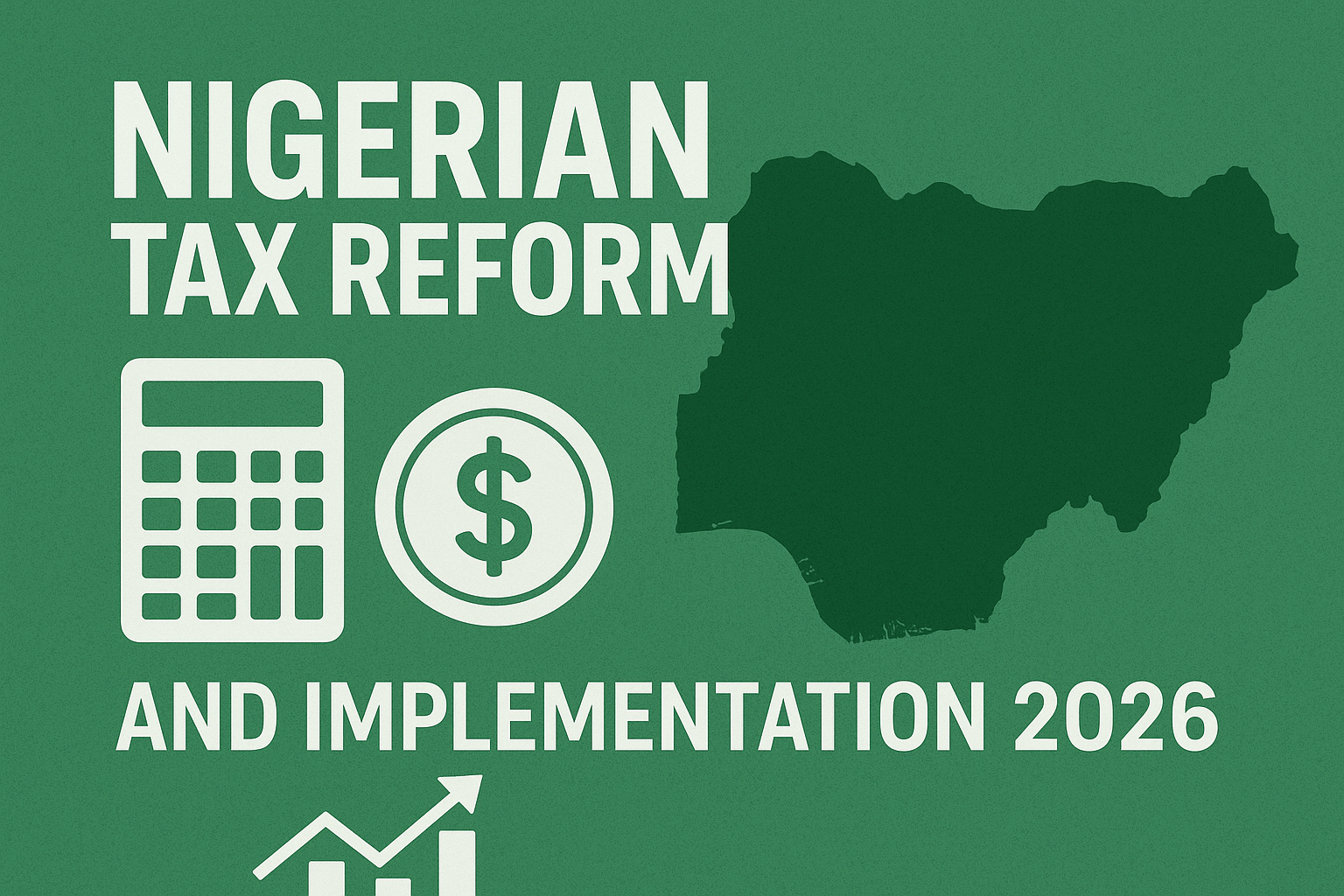
Nigeria enacted a comprehensive tax reform that will reshape how individuals and companies compute tax from 2026 onwards. The reform restructures personal tax bands and rates, introduces a consolidated development levy, aligns corporate rules with the global minimum tax framework and creates clear rules for small businesses and capital gains. This article explains the key parts of the reform in plain language and then walks step by step through the exact calculations you will need to perform when preparing taxes under the new rules. I use simple analogies so the ideas are easy to remember and I include examples with numbers so you can see the math in action.

Read More

Software Engineering in 2025: Principles Practices and Strategic Development

Software Engineering in 2025: Principles Practices and Strategic Development

By 2025, software engineering is a mature and rapidly evolving discipline addressing complex, distributed, and intelligent systems. Future trends include increased integration of artificial intelligence, autonomous software agents, cloud native development, human centered design, cybersecurity by design, and support for emerging technologies. Engineers will continue to emphasize quality, maintainability, performance, security, and adaptability while responding to societal, ethical, and regulatory requirements. Software engineering will remain central to the digital economy, shaping applications, services, and infrastructures that underpin modern life, industry, and innovation.

Read More
Web Development in 2025: Trends Technologies and Best Practices

Web Development in 2025: Trends Technologies and Best Practices

Web development in 2025 is a dynamic and multidisciplinary field that requires mastery of front end and back end technologies, design principles, security, performance, accessibility, and emerging trends. Developers must deliver responsive, scalable, secure, and engaging applications that meet user expectations across devices and platforms. The integration of AI, cloud computing, progressive web applications, and accessibility practices enhances functionality, personalization, and inclusivity. By adhering to best practices in development methodology, testing, documentation, and optimization, web developers create sustainable, high quality solutions that adapt to evolving technologies and user needs. Web development remains central to the digital economy, shaping how users interact with information, services, and each other in an increasingly connected world.

Read More
Internet of Robotic Things in 2025: Architecture Applications and Strategic Integration

Internet of Robotic Things in 2025: Architecture Applications and Strategic Integration

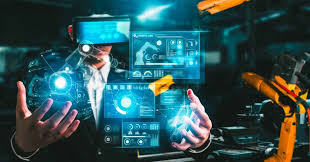
By 2025, the Internet of Robotic Things is poised to transform industries, cities, and human experience. Future developments include more autonomous, adaptive, and intelligent robotic networks capable of real time collaboration and decision making. Integration with artificial intelligence, machine learning, cloud and edge computing, and human centered design will enhance efficiency, safety, and responsiveness. Applications in industrial automation, healthcare, logistics, agriculture, disaster response, and smart cities will continue to expand, creating new opportunities for innovation, sustainability, and societal benefit. As the Internet of Robotic Things evolves, it will redefine the interaction between humans, machines, and digital ecosystems, shaping the intelligent, connected world of the future.

Read More
Robotics in 2025: Principles Applications and Future Directions

Robotics in 2025: Principles Applications and Future Directions

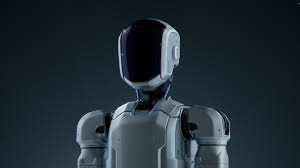
Robotics in 2025 represents a convergence of engineering, computing, artificial intelligence, and human centered design. Robots perform tasks ranging from industrial assembly and surgical assistance to exploration, logistics, domestic service, and social interaction. Successful robotic systems integrate mechanical design, sensors, actuators, control, and intelligent algorithms while addressing safety, usability, and ethical considerations. Future robotics promises collaborative, adaptive, and intelligent systems capable of operating safely in complex environments and enhancing human capabilities. The continued evolution of robotics will transform industries, society, and daily life, creating opportunities for innovation, efficiency, safety, and improved quality of life.

Read More
Quantum Computing in 2025: Principles Applications and Future Prospects

Quantum Computing in 2025: Principles Applications and Future Prospects

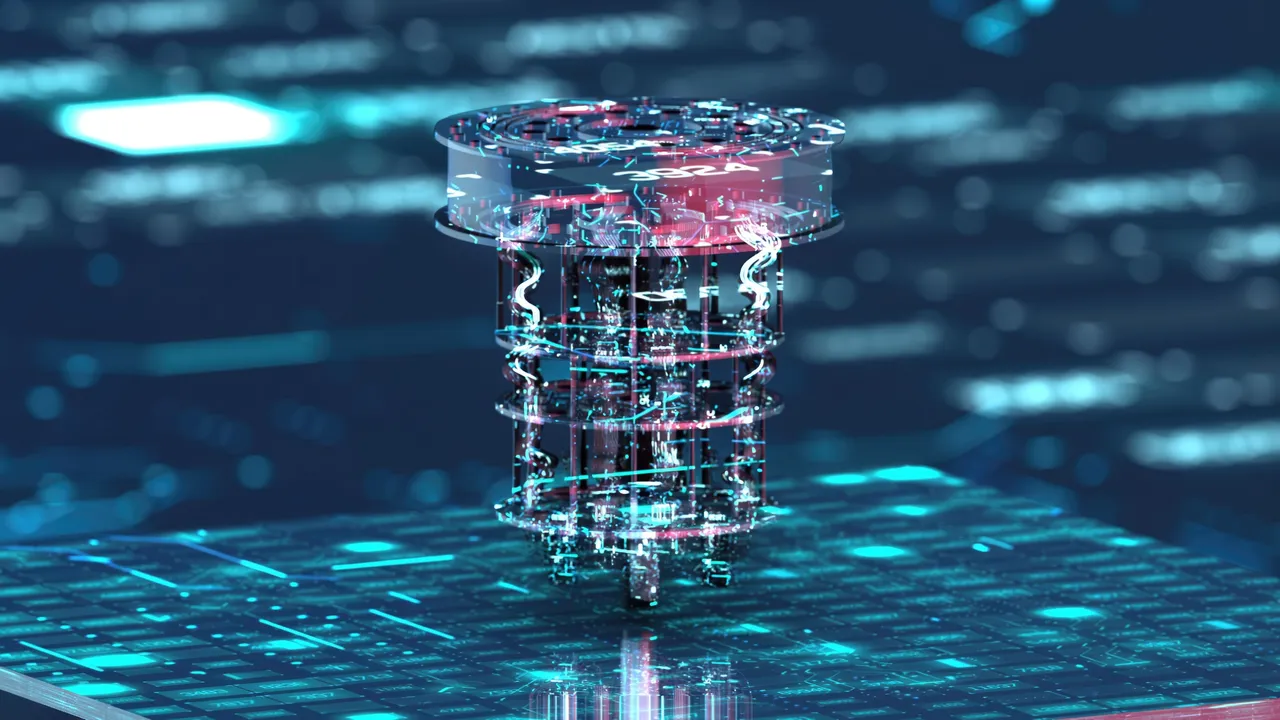
By 2025, quantum computing is transitioning from laboratory experiments to specialized commercial applications. The future promises more robust, scalable, and accessible quantum systems. Advancements in error correction, hardware integration, algorithm development, and hybrid computation will expand the impact of quantum computing across science, industry, and society. Governments, research institutions, and private enterprises will continue to invest in infrastructure, workforce development, and security strategies. The technology is expected to reshape medicine, energy, finance, logistics, artificial intelligence, and national security. Quantum computing represents a transformative frontier that, when fully realized, will redefine computational capabilities and open possibilities that remain inconceivable for classical computers.

Read More